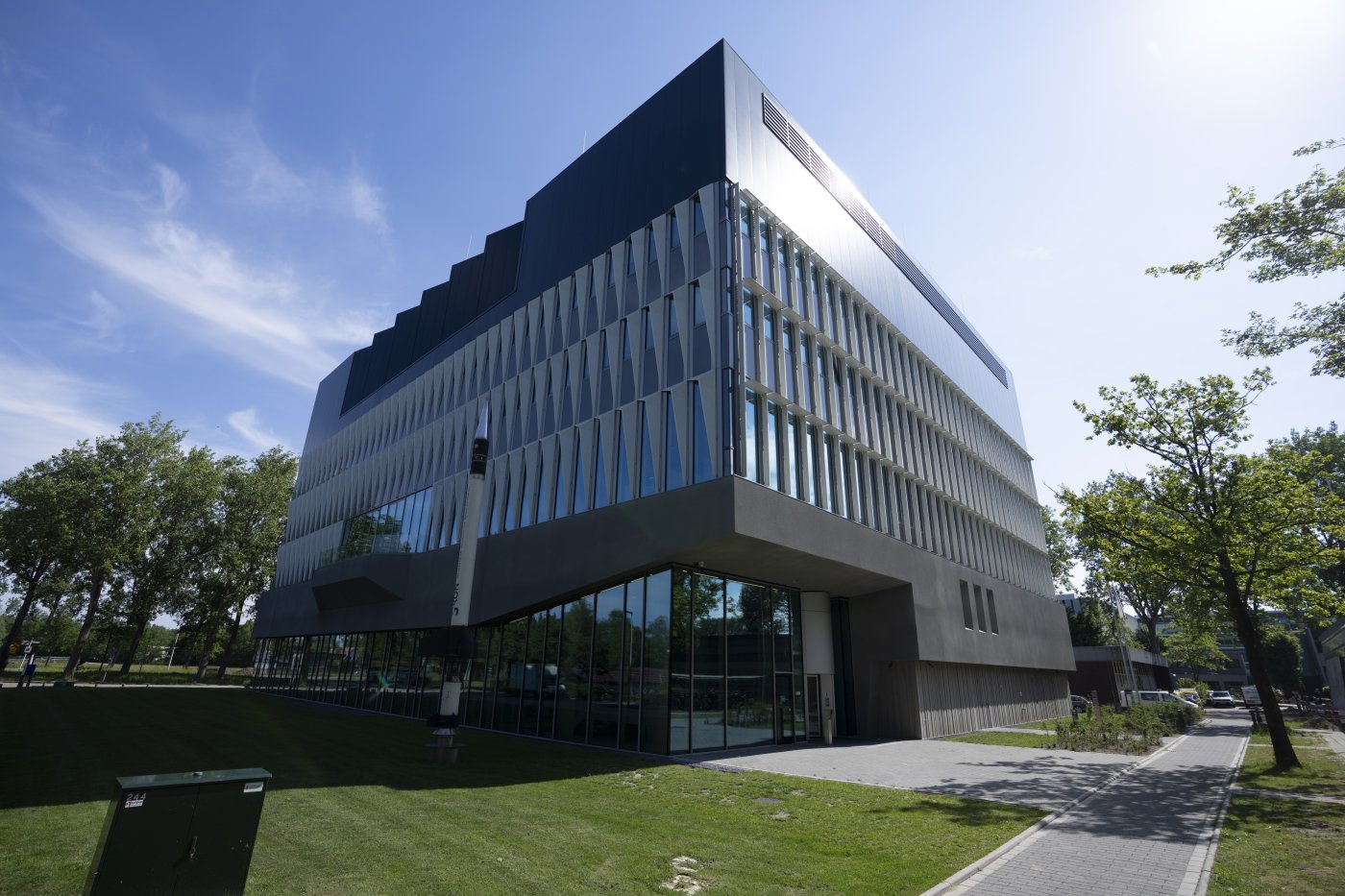
Afbeelding
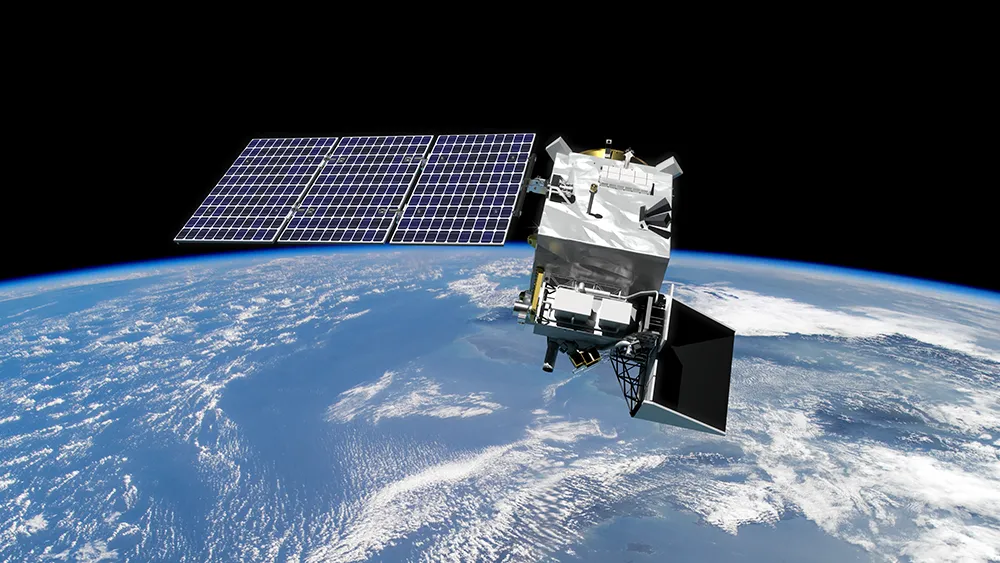
PACE climate satellite. Credits NASA GSFC
NWO-I
Institutes Organisation of NWO

Through space research, SRON answers fundamental questions about the cosmos and the Earth’s atmosphere. As the Dutch national space research institute, it acts as the central hub for the coordination and implementation of Dutch contributions to international space missions in the fields of astrophysics and Earth sciences.
SRON leads or contributes to the development of space instruments onboard scientific space missions. The satellites SRON helps to build look up at the cosmos and down at Earth. Through these two pillars – astrophysics and Earth observation – researchers seek to gain a better understanding of both the universe and our home planet. Primarily from a fundamental interest in nature, but also to see how humans affect the atmosphere and life on Earth.
The space instruments developed by SRON observe objects and phenomena that can only be properly studied from space:
SRON’s space instruments also study our home planet: its climate, air quality and the impact of these factors on biodiversity. For example, satellites monitor methane leaks from landfill sites and oil and gas installations, carbon monoxide released during forest fires, and the impact of aerosols on the climate.
Prof. dr. Michael Wise
SRON Leiden
Niels Bohrweg 4, 2333 CA Leiden
+31 88 777 56 00
SRON Groningen
Landleven 12, 9747 AD Groningen
+31 50 363 40 74