Afbeelding
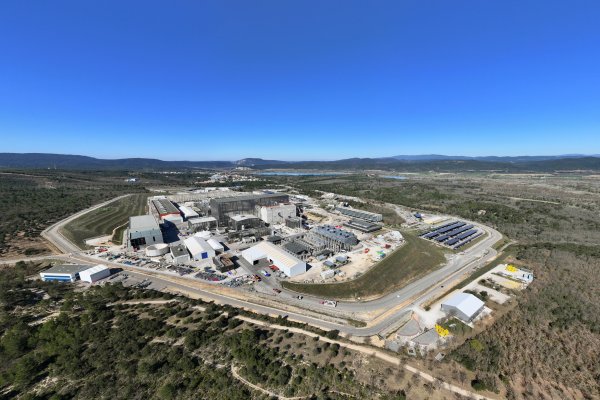
Aerial photo of ITER under construction. Credits ITER
NWO-I
Institutes Organisation of NWO

ITER (International Thermonuclear Experimental Reactor) is the first fusion reactor designed to demonstrate that nuclear fusion can be sustained at a commercially viable scale. As a leading Dutch energy research institute, NWO institute DIFFER is involved in ITER. DIFFER also serves as the point of contact for Dutch researchers and companies interested in participating in global fusion research.
The concept of generating clean energy from nuclear fusion has been around since the 1950s. In 1985, the idea for ITER was launched as a joint international fusion experiment. Since then, thousands of engineers and scientists have contributed to the design of the test reactor.
The reactor may become the first fusion reactor to sustainably produce more energy than is required to heat and control the fusion plasma. ITER will initially be used solely for research. A fusion power plant capable of generating electricity for the grid will only come later.
In the fusion reactor, deuterium and tritium—two isotopes of hydrogen—are heated to extremely high temperatures to create a plasma that is confined within a doughnut‑shaped magnetic chamber. The magnetic forces in the chamber prevent the hot plasma from touching the walls of the fusion reactor. DIFFER operates the Magnum‑PSI facility to simulate plasma-wall interactions in order to test materials for ITER.
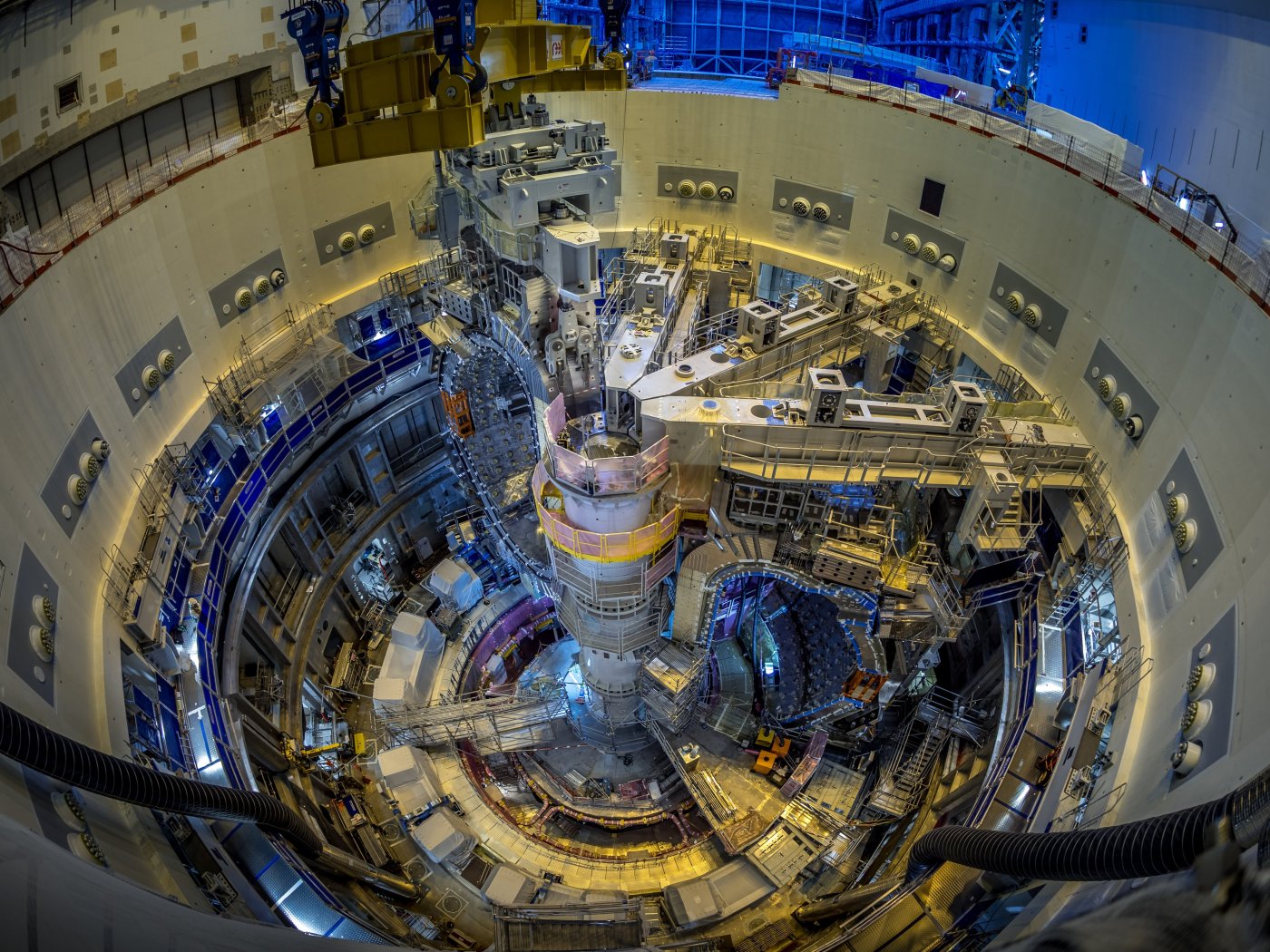
ITER is an international endeavour for which the EU covers nearly half of the construction costs. The non‑European members of this joint international project contribute equal shares.
The European contribution is coordinated through EUROfusion, which is funded by the EU. DIFFER and the Ministry of Education, Culture and Science represent the Netherlands on the Governing Board. The board is responsible for decision making and overseeing the scientific activities relating to ITER.
Would you like to find out more about ITER and its research? Then visit the ITER website. You can find more information about the institute DIFFER on the DIFFER website.